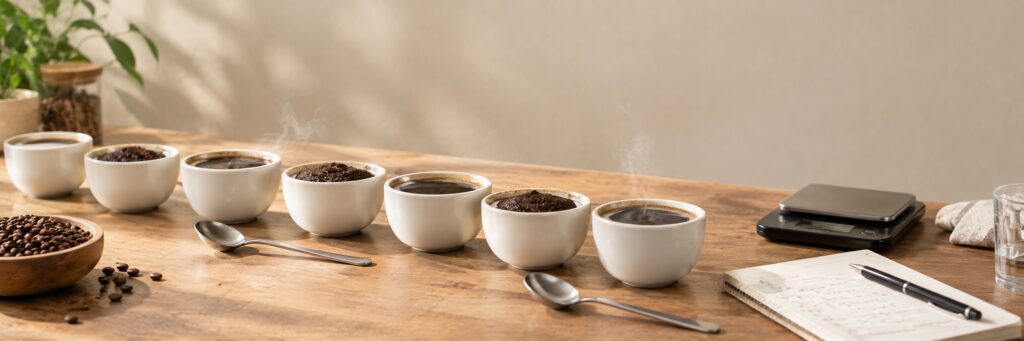

Home coffee roasting is one of the most rewarding hobbies a coffee lover in Canada can discover. Taking raw green coffee beans and turning them into a freshly roasted cup, dialling in your own roast level, exploring origins from Colombia to Ethiopia to Kenya, is a genuinely creative process that changes how you think about coffee.
You do not need expensive equipment or years of experience to start. You need green coffee beans, a heat source, a timer, and a willingness to experiment. This guide walks through everything, from your first bag of green coffee to your first successful roast.
What Is Home Coffee Roasting
Home coffee roasting is the process of transforming raw green coffee beans into roasted coffee using heat. Roasting drives a series of chemical reactions, the Maillard reaction, caramelization, and first and second crack, that develop the flavors, aromas, and body of the coffee we drink.
Roasting at home puts you in control of every part of the process:
You choose the origin. Green coffee is available from growers and regions most roasted coffee retailers never carry.
You choose the roast level. From light and fruit forward through to dark and chocolatey, the choice is entirely yours.
You control development time. The period after first crack defines the final flavor of the cup.
You roast only what you need. Producing the freshest possible coffee, every time.
Why Roast Your Own Coffee at Home
Extraordinary freshness. Roasted coffee begins to go stale within days. Green coffee beans stay fresh for up to twelve months when stored correctly, so roasting at home means you are always drinking coffee roasted hours ago, not weeks ago in a warehouse.
Significantly better value. Specialty grade green coffee costs meaningfully less per gram than pre-roasted specialty coffee. Roasting at home gives you access to the same quality the world’s best roasters use, at a fraction of the retail roasted price.
Complete control over flavor. Pre-roasted coffee has been roasted to someone else’s specification. At home, you decide the roast level, the development time, and the final flavor profile.
Access to extraordinary origins. Specialty green coffee retailers give you access to origins and lots that pre-roasted retailers rarely carry, opening up the full range of specialty coffee.
A genuinely rewarding process. The learning curve is real, but every batch teaches you something. The first time you nail a light roast on a fruit forward natural process and taste the character in the cup, you will understand why home roasters get hooked.
What Equipment You Need to Start
The answer is simpler and more affordable than most beginners expect.
| Level | Price Range | Options |
|---|---|---|
| Start with what you have | $0 to $50 CAD | Stovetop pan or cast iron skillet, oven roasting, hot air popcorn maker |
| Dedicated home roasting machine | $150 to $500 CAD | Fluid bed roasters and entry level drum roasters, more control and consistency |
| Advanced home roasting | $500 to $2,000+ CAD | Programmable drum roasters, closest experience to commercial roasting at home |
A hot air popcorn maker is the most popular and effective starting tool. Hot air circulates evenly around the beans and blows the loose chaff out during roasting.
A few additional tools make roasting easier and more consistent:
A kitchen scale accurate to a tenth of a gram. Essential for repeating a batch size you know works.
A timer. Your phone works perfectly.
A roasting notebook. Recording every roast is how you actually improve.
Airtight storage with a one way valve. Lets roasted coffee degas safely while resting.
Choosing Your First Green Coffee
The right first coffee makes home roasting feel approachable. The wrong one can make it feel harder than it needs to be.
Colombia Huila Supremo Washed, your ideal first green coffee. Forgiving across a wide range of roast levels, consistent and predictable, delicious at medium to medium dark, and works well across every brewing method.
Ethiopia Yirgacheffe Grade 1 Natural, your second green coffee. More demanding but genuinely rewarding. Best roasted light, and delivers a distinctive blueberry and jasmine cup that tends to be the coffee that gets people hooked on the craft.
Guatemala Antigua Washed, your third green coffee. Clean, balanced, and approachable, with red fruit and cocoa caramel character. A reliable, crowd pleasing everyday profile.
Kenya AA Washed, when you are ready for a challenge. Bold, bright, and intensely complex. Demands precision and a light roast, and delivers one of the most distinctive cup profiles in specialty coffee.
Understanding Roast Levels
Roast level is one of the most important concepts in home roasting, and understanding how it shapes flavor is the foundation of becoming a confident roaster.
| Roast Level | Appearance | Flavor Character | Best Suited To |
|---|---|---|---|
| Light | Light brown, no surface oil | Bright, fruit forward, floral, higher acidity | Ethiopian and Kenyan naturals, pour over, Aeropress |
| Medium Light | Medium light brown, no oil | Balanced fruit, caramel, emerging chocolate | Most specialty coffees, filter, Aeropress |
| Medium | Medium brown, trace oil possible | Caramel, chocolate, reduced fruit, balanced | Washed South American origins, all brewing methods |
| Medium Dark | Dark brown, light surface oil | Chocolate, brown sugar, low fruit, fuller body | Robustas, espresso blends, French press, drip |
| Dark | Very dark brown, oily surface | Roast character dominant, low acidity, heavy body | Espresso, French press, bold everyday cups |
For beginners, start with a medium roast. It is the most forgiving level, produces balanced results, and performs well across nearly every brewing method.
The Roasting Process, What Happens Inside the Bean
Understanding what happens inside the bean helps you make better decisions while roasting.
Drying phase, roughly the first four minutes. Moisture evaporates from the green bean, which shifts from green to yellow to light brown. A grassy, hay like aroma during this stage is normal.
Maillard phase, roughly four to eight minutes. Amino acids and sugars react, building the characteristic flavors and aromas of roasted coffee. The bean deepens from light to medium brown, and the aroma turns bread like and caramel.
First crack, roughly eight to ten minutes. The most important milestone in home roasting. Internal pressure builds until the bean’s cell structure cracks audibly, a sound similar to popcorn popping. Most specialty coffee is dropped somewhere in the range beginning at first crack.
Development time. The period between the start of first crack and when you drop the beans. Shorter development produces a lighter, more fruit forward cup. Longer development builds more body and pulls the profile toward caramel and chocolate.
Second crack. A quieter second cracking sound that follows first crack. It marks the start of the medium dark to dark range. Most specialty coffee is dropped before second crack begins.
Your First Roast, Step by Step
Before you start:
- Weigh out 100 grams of your chosen green coffee
- Set up in a well ventilated space, roasting produces smoke and chaff
- Have a colander or cooling tray ready
- Open a window or turn on your kitchen exhaust fan
The roast:
- Preheat your roaster, or set stovetop heat to medium high
- Add your 100 grams of green beans and start your timer
- Keep the beans moving throughout the roast
- Watch the color shift from green to yellow to light brown to medium brown
- Listen for first crack, typically around eight to ten minutes
- Begin counting development time from the first audible crack
- At roughly sixty to ninety seconds of development, drop the beans
- Transfer to a colander and stir continuously until cool, about three to four minutes
After the roast:
- Store in an airtight container
- Rest for a minimum of three days, ideally five to seven, before brewing
- Note the timing, color, and aroma of the roast for next time
Common Beginner Mistakes to Avoid
Roasting too dark. The most common beginner mistake. When in doubt, roast lighter. You can always go darker next time, but you cannot undo an over roasted batch.
Not resting long enough. Brewing coffee too soon after roasting produces a flat, underdeveloped cup. Wait at least three days, ideally five to seven.
Batch sizes too large. Start with 100 grams. Larger batches are harder to manage evenly on basic equipment.
Not taking notes. Every roast is a chance to learn something. Without notes, you cannot improve with any consistency.
Rushing the Maillard phase. Roasting too fast produces underdeveloped, sometimes harsh flavor. A steady, controlled rise through this phase builds a more complex cup.
Starting with low quality green coffee. The quality of your green coffee sets the ceiling for your cup. Specialty grade beans open up a completely different range of flavor than commodity grade coffee ever will.
Where to Buy Specialty Green Coffee in Canada
The most important ingredient in a great home roasted cup is great green coffee. Roasters Hall sources specialty grade green coffee for Canadian home roasters, shipped fresh in small retail packs built for home roasting.
Recommended starter coffees:
- Colombia Huila Supremo Washed, the best first coffee for beginners
- Ethiopia Yirgacheffe Grade 1 Natural, a rewarding second coffee
- Guatemala Antigua Washed, clean and crowd pleasing
- Kenya AA Washed, bold, bright, and distinctive
Available in 200g, 350g, 500g, and 1kg, shipped fresh across Canada.
Frequently Asked Questions
1. Is home coffee roasting difficult?
Home coffee roasting has a real learning curve, but it is far more accessible than most people expect. Starting with a forgiving coffee and a simple hot air popcorn maker, most beginners produce a genuinely enjoyable cup within their first two or three attempts.
2. How much does it cost to start home roasting in Canada?
A hot air popcorn maker runs $20 to $50 CAD, and a starter bag of specialty green coffee costs a similar amount. A dedicated home roasting machine ranges from $150 to $500 CAD for intermediate level equipment.
3. How long do green coffee beans last?
Stored correctly in a cool, dry place away from direct sunlight, specialty green coffee beans stay fresh for up to twelve months, far longer than roasted coffee.
4. Can I roast coffee without a dedicated roasting machine?
Yes. A stovetop pan, cast iron skillet, or hot air popcorn maker all work for basic home roasting. A dedicated machine adds control and consistency but is not required to start.
5. What is the best green coffee for a beginner?
Colombia Huila Supremo Washed is a strong starting point. It is forgiving across roast levels, produces consistent results, and performs well across every brewing method.
6. How do I know when my coffee is roasted correctly?
The key milestone is first crack, the audible popping sound as the bean’s structure cracks under heat. Most specialty coffee is dropped at or shortly after first crack for a light to medium roast. With practice, you develop an instinct for the right moment based on sound, color, and aroma.
Where to Go Next
Getting started with home roasting comes down to a handful of decisions: your equipment, your first coffee, and understanding roast levels well enough to trust your own judgment.
Recommended next steps:
- Read our buying guide to choose your first green coffee with confidence
- Check our processing guide to understand washed, natural, and honey methods
- Browse our origins guide to plan which region to roast next
- Shop our current green coffee selection and place your first order